
Lifestyle Strategies That Support Anxiety and Depression Recovery
Lifestyle Strategies That Support Anxiety and Depression Recovery
Anxiety and depression are among the most common mental health conditions worldwide, affecting millions of people each year. While occasional stress, sadness, or worry are normal parts of life, persistent symptoms that interfere with your relationships, work, sleep, or daily activities deserve attention and professional care.
Treatment often includes psychotherapy, medication, lifestyle changes, or a combination of these approaches. There is no single solution that works for everyone, and recovery looks different for each individual.
Alongside evidence-based medical and mental health care, healthy lifestyle habits can play an important role in supporting emotional wellbeing. Regular physical activity, balanced nutrition, restorative sleep, effective stress management, and meaningful social connections can help improve resilience and complement a comprehensive treatment plan.
If you've been struggling with anxiety or depression, understanding how these everyday habits influence both your brain and body may help you take meaningful steps toward better health.
Understanding Anxiety and Depression
Although anxiety and depression often occur together, they are distinct conditions.
Anxiety is typically characterized by excessive worry, nervousness, or fear that is difficult to control. Physical symptoms may include a racing heart, muscle tension, digestive discomfort, restlessness, or trouble sleeping.
Depression can affect how you think, feel, and function. Common symptoms include persistent sadness, loss of interest in activities you once enjoyed, fatigue, difficulty concentrating, changes in appetite, sleep disturbances, and feelings of hopelessness.
These conditions can range from mild to severe, and they are influenced by many factors, including genetics, life experiences, chronic stress, medical conditions, and brain chemistry. For some individuals, hormone changes, thyroid disorders, nutritional deficiencies, or poor sleep may also contribute to worsening symptoms.
Recognizing that anxiety and depression are legitimate medical conditions—not personal weaknesses—is an important first step toward seeking support.
If you're experiencing mood changes alongside symptoms such as fatigue, irregular periods, or hot flashes, you may also find our article on 13 Signs of Hormone Imbalance Most Women Ignore helpful.
Why Lifestyle Habits Matter
Lifestyle changes should never be viewed as a replacement for professional mental health treatment when it's needed. However, they can support overall wellbeing and may improve factors that influence mood, energy, resilience, and stress response.
Many healthy habits work together rather than in isolation. For example, regular exercise may improve sleep, better sleep may reduce stress, and improved nutrition may help support consistent energy levels throughout the day.
Small, sustainable changes often have a greater long-term impact than trying to overhaul your routine all at once.
The Role of Exercise in Mental Wellbeing
Exercise is widely recognized for its cardiovascular and metabolic benefits, but it also plays an important role in supporting mental health.
Regular physical activity encourages the release of chemicals in the brain that help regulate mood and reduce the body's stress response. It may also improve sleep quality, increase energy levels, and provide a healthy outlet for managing everyday stress.
The good news is that you don't need to spend hours in the gym to experience these benefits.
Many adults can benefit from activities such as:
Brisk walking
Cycling
Swimming
Dancing
Yoga
Strength training
Gardening
Playing with children or grandchildren
The best exercise is often the one you enjoy enough to do consistently. Even moderate activity performed regularly can contribute to better physical and emotional wellbeing over time.

Nutrition and the Brain-Body Connection
What you eat doesn't just affect your physical health—it also influences the systems that support brain function and emotional wellbeing.
A balanced eating pattern rich in whole foods provides the nutrients your brain needs to function optimally while helping maintain stable energy levels throughout the day.
Some dietary habits that may support overall wellbeing include:
Eating plenty of vegetables and fruits
Choosing whole grains over refined carbohydrates
Including lean protein with meals
Incorporating healthy fats such as olive oil, nuts, seeds, and fatty fish
Staying well hydrated
Limiting highly processed foods and excess added sugars
Maintaining steady blood sugar levels may also help reduce energy crashes that can contribute to irritability or fatigue.
Emerging research also highlights the relationship between gut health and the brain, often referred to as the gut-brain axis. While scientists continue to study this connection, a diverse, fiber-rich diet that supports a healthy gut microbiome may also contribute to overall health.
Sleep and Emotional Wellbeing
Sleep and mental health have a close, bidirectional relationship. Poor sleep can worsen anxiety and depression symptoms, while anxiety and depression themselves often make it harder to fall asleep or stay asleep.
Prioritizing healthy sleep habits can support both emotional and physical wellbeing.
Helpful strategies include:
Keeping a consistent sleep schedule
Limiting screen time before bed
Reducing caffeine later in the day
Creating a cool, quiet, and comfortable sleep environment
Developing a relaxing bedtime routine
If sleep problems persist despite good sleep habits, it's important to discuss them with your healthcare provider, as they may indicate an underlying condition that requires further evaluation.
Managing Stress in Healthy Ways
Stress is a normal part of life, but when it becomes chronic, it can affect both physical and emotional health. Ongoing stress activates the body's stress response, increasing cortisol and other stress hormones that may contribute to fatigue, poor sleep, difficulty concentrating, and heightened feelings of anxiety.
While it's not always possible to eliminate stress, learning healthy ways to manage it can improve resilience and help you cope more effectively with daily challenges.
Some helpful stress management techniques include:
Practicing mindfulness or meditation
Deep breathing or relaxation exercises
Spending time outdoors
Journaling
Engaging in hobbies you enjoy
Setting healthy boundaries at work and home
Taking regular breaks throughout the day
If your personal beliefs include spirituality, practices such as prayer may also provide comfort and emotional support during difficult times.
The goal isn't to remove every source of stress, but to build habits that help your mind and body recover more effectively.
The Importance of Social Support
Anxiety and depression can sometimes lead people to withdraw from family, friends, or activities they once enjoyed. Unfortunately, isolation can make symptoms feel even more overwhelming.
Maintaining meaningful social connections can provide encouragement, practical support, and a sense of belonging during difficult periods.
Support may come from:
Family members
Trusted friends
Mental health professionals
Support groups
Faith communities
Community organizations
For many people, simply talking with someone who listens without judgment can make a meaningful difference. Reaching out for help is a sign of strength, not weakness.
A Functional Medicine Perspective
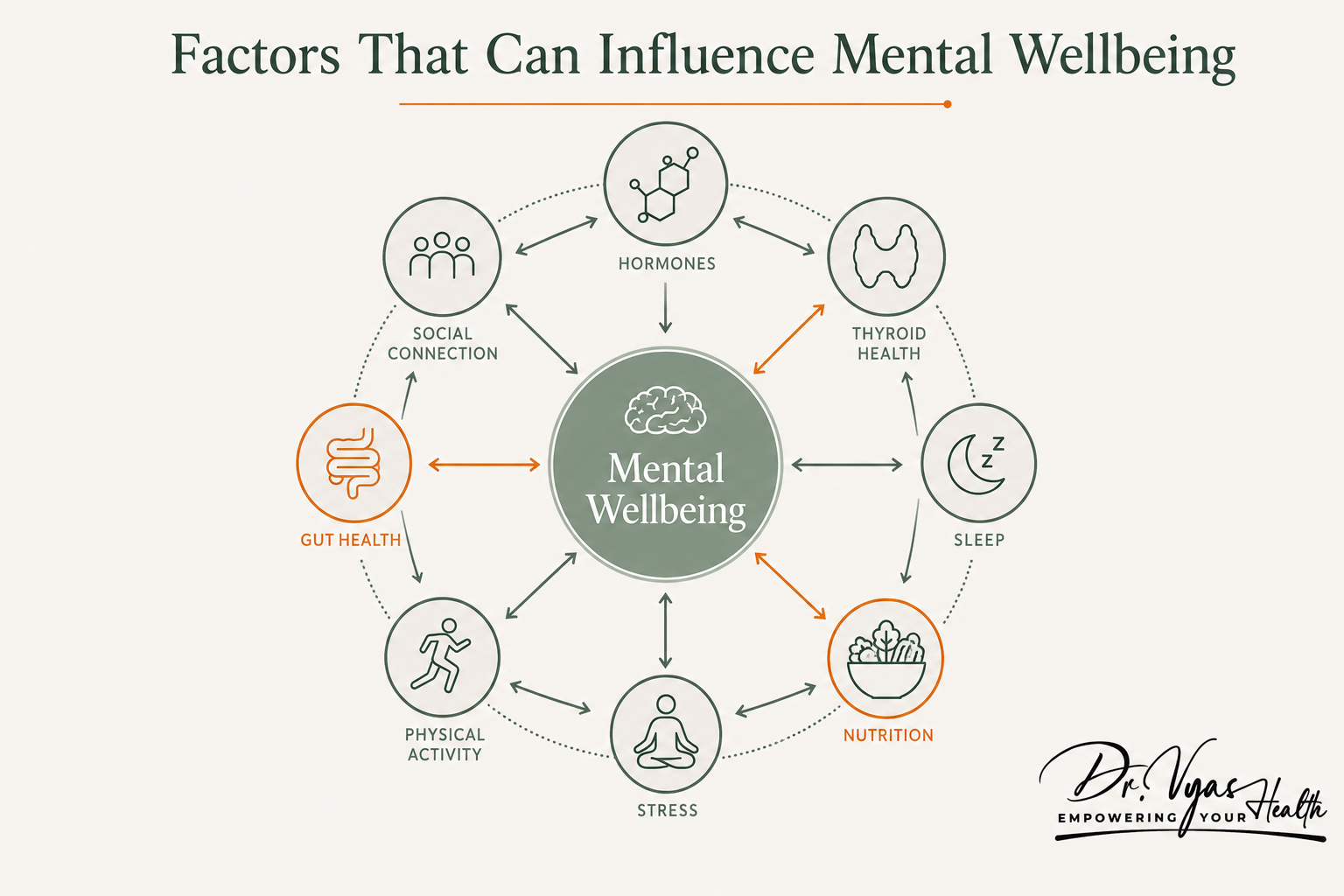
Mental wellbeing is influenced by many interconnected systems throughout the body. While anxiety and depression are complex conditions that often require evidence-based mental health care, a functional medicine approach considers whether other aspects of health may also be contributing to how you feel.
Depending on your symptoms and medical history, your healthcare provider may evaluate factors such as:
Thyroid function
Hormonal changes during perimenopause or menopause
Blood sugar regulation
Nutritional status
Sleep quality
Chronic inflammation
Digestive health
Long-term stress
Identifying and addressing these factors may support your overall health and complement your broader treatment plan. However, they should not replace established therapies such as psychotherapy, medication when appropriate, or care from a qualified mental health professional.
The goal is to understand the whole person, recognizing that physical and emotional health often influence one another.
When to Seek Professional Help
Everyone experiences occasional stress, worry, or sadness. However, if these feelings persist or begin affecting your ability to function, it's important to seek professional support.
Consider speaking with a healthcare provider or licensed mental health professional if you experience:
Persistent anxiety, sadness, or hopelessness lasting more than two weeks
Difficulty carrying out daily responsibilities
Significant changes in sleep or appetite
Panic attacks or overwhelming fear
Loss of interest in activities you previously enjoyed
Difficulty concentrating or making decisions
Symptoms that continue to worsen despite self-care efforts
Seeking help early can make a meaningful difference. Treatment plans may include psychotherapy, medication, lifestyle modifications, or a combination of approaches based on your individual needs.
If you're experiencing thoughts of harming yourself or believe you may be at immediate risk, seek emergency medical care or contact your local crisis services without delay. Immediate support can save lives.
If You're in Crisis
If you are experiencing thoughts of harming yourself or believe you may be in immediate danger, seek emergency medical care or contact your local emergency services immediately. If you're able, tell someone you trust about what you're experiencing so they can help you access support.
You do not have to face a mental health crisis alone, and immediate help is available.
Key Takeaways
Anxiety and depression are common mental health conditions that can affect emotional, physical, and cognitive wellbeing.
Recovery often involves a combination of approaches, including psychotherapy, medication when appropriate, healthy lifestyle habits, and ongoing support.
Regular exercise, balanced nutrition, restorative sleep, stress management, and meaningful social connections can complement a comprehensive treatment plan.
A functional medicine approach considers factors such as thyroid health, hormones, nutrition, sleep, blood sugar regulation, and chronic stress that may influence overall wellbeing.
Seeking professional help early can improve outcomes and provide access to personalized treatment options.
Frequently Asked Questions
Can lifestyle changes cure anxiety or depression?
Lifestyle habits such as regular exercise, nutritious eating, quality sleep, and stress management can support mental wellbeing and complement treatment. However, they should not be viewed as a cure or a replacement for professional care when symptoms are moderate to severe.
Can hormone changes affect anxiety and depression?
Hormonal changes during life stages such as pregnancy, perimenopause, menopause, and postpartum can influence mood in some women. Because symptoms may have multiple contributing factors, it's important to have a thorough medical evaluation rather than assuming hormones are the only cause.
Can thyroid problems contribute to mood changes?
Yes. Both an underactive thyroid (hypothyroidism) and an overactive thyroid (hyperthyroidism) can contribute to symptoms such as anxiety, depression, fatigue, or difficulty concentrating. If thyroid dysfunction is suspected, your healthcare provider may recommend appropriate testing.
When should I seek professional help?
If symptoms persist for more than two weeks, interfere with your work, relationships, or daily activities, or continue to worsen despite self-care, it's important to speak with a qualified healthcare provider or licensed mental health professional.
Can functional medicine replace therapy or medication?
No. Functional medicine should be viewed as a complementary approach, not a replacement for evidence-based mental health care. Depending on your individual needs, your treatment plan may include psychotherapy, medication, lifestyle modifications, and evaluation of underlying health factors that may influence your overall wellbeing.

If anxiety or depression is affecting your daily life, Dr. Vyas Health can help you better understand the factors that may be influencing your overall wellbeing. Through a personalized, evidence-informed approach, we evaluate your health as a whole and work with you to develop a care plan that complements appropriate mental health treatment and supports your long-term health.
Book a consultation today to better understand your health and take the next step toward improving your overall wellbeing.
Photos: unsplash.com
References
The information in this article is based on current clinical guidance and evidence from reputable medical organizations and peer-reviewed literature, including:
Related Articles
13 Signs of Hormone Imbalance Most Women Ignore
The Brain-Immune Connection. What It Means for Your Health
Gut Health and Weight Loss. What the Science Says
This article is for educational purposes only and is not intended as medical advice or a substitute for professional diagnosis, treatment, or individualized healthcare. Always consult your healthcare provider before making medical decisions or starting any treatment, especially if you are pregnant, nursing, taking medication, or have an existing medical condition.