
Menopause Hormone Therapy Benefits, Risks, and What Every Woman Should Know
Menopause Hormone Therapy Benefits, Risks, and What Every Woman Should Know
Menopause is a natural stage of life, but the symptoms that accompany it can significantly affect your daily routine and overall wellbeing. Hot flashes, night sweats, mood changes, sleep disturbances, and vaginal dryness are among the most common concerns women experience during the menopausal transition.
For many women, lifestyle changes provide meaningful relief. Others may benefit from menopausal hormone therapy (MHT), formerly known as hormone replacement therapy (HRT). While hormone therapy remains the most effective treatment for certain menopause symptoms, it's not a one-size-fits-all solution. The decision to begin treatment should be based on your symptoms, medical history, age, and individual risk factors.
Understanding how menopausal hormone therapy works, along with its potential benefits and risks, can help you have a more informed conversation with your healthcare provider.
What Is Menopausal Hormone Therapy?
Menopausal hormone therapy is a medical treatment that replaces some of the hormones your body naturally produces in lower amounts during menopause, primarily estrogen and, when appropriate, progesterone.
As ovarian hormone production declines, many women experience symptoms that can range from mildly bothersome to significantly disruptive. Hormone therapy helps restore hormone levels enough to relieve these symptoms and improve quality of life.
Hormone therapy is available in several forms, including:
Oral tablets
Skin patches
Gels and sprays
Vaginal creams
Vaginal tablets
Vaginal rings
The most appropriate option depends on your symptoms, preferences, medical history, and overall health. Your healthcare provider will recommend the formulation that best fits your individual needs.
Who May Benefit from Menopausal Hormone Therapy?
Hormone therapy may be appropriate for women experiencing moderate to severe menopause symptoms that interfere with daily life. These symptoms commonly include:
Frequent hot flashes
Night sweats
Sleep disturbances
Vaginal dryness
Pain during intercourse
Mood changes related to menopause
Early menopause or premature ovarian insufficiency
Current evidence suggests that for healthy women younger than 60 years of age or within approximately 10 years of menopause onset, the benefits of hormone therapy often outweigh the risks when used for appropriate indications.
Every woman's situation is different. Treatment decisions should always be individualized rather than based on age alone.
Understanding Estrogen and Progesterone
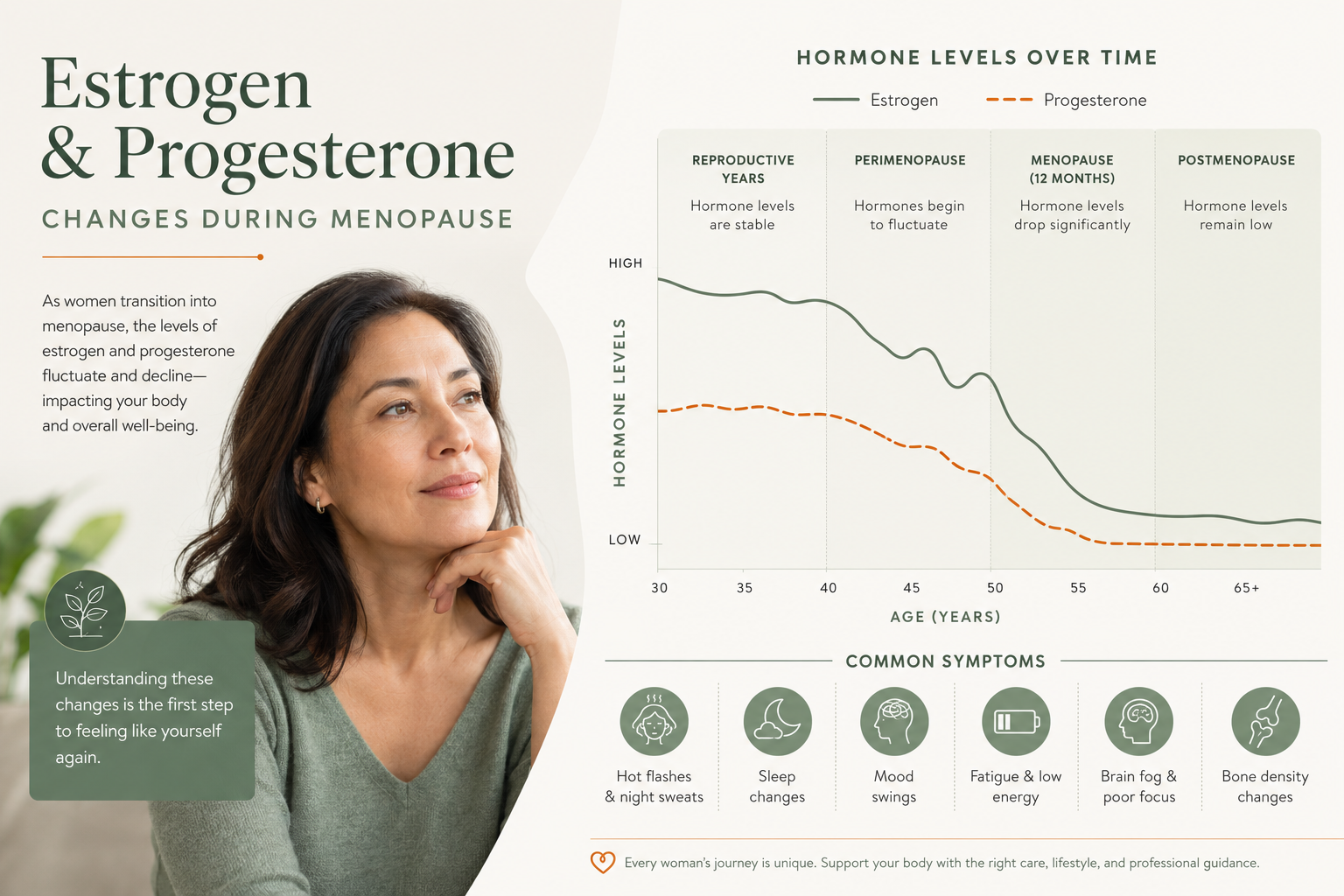
During menopause, estrogen and progesterone levels naturally decline. These hormones influence many body systems beyond reproduction, including the brain, bones, cardiovascular system, skin, and urinary tract.
Estrogen helps regulate:
Body temperature
Bone health
Vaginal tissue
Skin elasticity
Cholesterol balance
Brain function
Progesterone plays an important role in:
Supporting sleep
Regulating the menstrual cycle before menopause
Protecting the lining of the uterus when systemic estrogen therapy is used
For women who still have a uterus, progesterone is generally prescribed alongside systemic estrogen to reduce the risk of endometrial cancer. Women who have had a hysterectomy often do not require progesterone and may use estrogen alone, although treatment should always be tailored to individual circumstances..
Benefits of Menopausal Hormone Therapy
When prescribed appropriately, menopausal hormone therapy can significantly improve quality of life.
Relief from Hot Flashes and Night Sweats
Hormone therapy remains the most effective treatment for vasomotor symptoms such as hot flashes and night sweats. Many women notice a reduction in both the frequency and intensity of these episodes after starting treatment.
Improved sleep often follows as nighttime symptoms become less disruptive.
Better Vaginal and Urinary Health
Declining estrogen can lead to vaginal dryness, irritation, burning, and discomfort during intercourse. Some women also experience recurrent urinary tract infections or urinary urgency.
Localized vaginal estrogen therapy can effectively treat these symptoms while exposing the body to very low levels of hormone, making it an appropriate option for many women whose primary concern is genitourinary symptoms.
Improved Sleep and Quality of Life
Many menopause symptoms are interconnected. Poor sleep caused by night sweats can contribute to fatigue, irritability, reduced concentration, and decreased productivity during the day.
By relieving disruptive symptoms, hormone therapy may help improve overall wellbeing, daily functioning, and quality of life.
Bone Health
After menopause, women experience accelerated bone loss because of declining estrogen levels.
Hormone therapy can help slow bone loss and reduce the risk of osteoporosis-related fractures in appropriate candidates. However, it is generally not prescribed solely to prevent osteoporosis unless additional factors support its use.
Understanding the Potential Risks
Like any medical treatment, menopausal hormone therapy carries potential risks. These risks vary depending on several factors, including:
Your age
How long it has been since menopause
Your personal medical history
Family history
The type of hormone therapy used
The dosage
The route of administration (oral, patch, gel, or vaginal)
For many healthy women who begin treatment before age 60 or within 10 years of menopause, the overall benefit-risk profile is favorable. However, hormone therapy may not be appropriate for everyone.
Some women may have an increased risk of complications such as:
Blood clots
Stroke
Breast cancer (particularly with certain types of combined hormone therapy and longer durations of use)
Gallbladder disease
It's important to remember that these risks are not the same for every woman. Your healthcare provider will evaluate your individual health profile before recommending treatment.
Unlike earlier assumptions, hormone therapy should not be used solely to prevent heart disease or dementia. Instead, its primary role is to manage bothersome menopausal symptoms and improve quality of life in appropriate candidates.
Is Hormone Therapy Right for Everyone?
Hormone therapy is not recommended for every woman. Certain medical conditions may make it unsuitable, including a history of hormone-sensitive cancers, unexplained vaginal bleeding, active liver disease, blood clotting disorders, or previous stroke or heart attack.
This is why a comprehensive medical evaluation is essential before starting treatment.
Your healthcare provider may discuss:
Your current symptoms
Your medical history
Family history
Current medications
Lifestyle factors
Individual risk profile
Personal treatment goals
Together, you can decide whether hormone therapy or another treatment option is the best fit for your needs.
Understanding the Potential Risks of Menopausal Hormone Therapy
Like any medical treatment, menopausal hormone therapy (MHT) has potential risks as well as benefits. The important thing to understand is that these risks are not the same for every woman. They depend on factors such as your age, overall health, personal and family medical history, the type of hormone therapy prescribed, the dosage, and how the medication is administered.
For many healthy women who begin hormone therapy before age 60 or within 10 years of menopause, current evidence suggests that the benefits often outweigh the risks when treatment is used to manage moderate to severe menopausal symptoms.
However, hormone therapy may not be appropriate for everyone. Women with certain medical conditions, such as a history of breast cancer, unexplained vaginal bleeding, active liver disease, blood clots, stroke, or certain cardiovascular conditions, may need alternative treatment approaches. Your healthcare provider will carefully review your medical history before recommending hormone therapy.
It's also important to remember that hormone therapy is not recommended solely to prevent heart disease, dementia, or other chronic conditions. Its primary role is to relieve menopausal symptoms and improve quality of life in women who are appropriate candidates.
Why Treatment Should Be Individualized
There is no single hormone therapy plan that works for every woman. Menopause affects each person differently, and symptoms can vary widely in both type and severity.
Choosing the right treatment involves considering several factors, including:
Your age and stage of menopause
The symptoms you're experiencing
Whether you've had a hysterectomy
Your personal and family medical history
Your individual risk factors and treatment goals
Your healthcare provider may recommend oral medications, transdermal patches, gels, sprays, or localized vaginal estrogen depending on your specific needs. The goal is always to use the lowest effective dose for the shortest duration necessary while regularly reviewing whether treatment continues to provide more benefit than risk.
Because your health and symptoms may change over time, hormone therapy should be reassessed periodically rather than viewed as a lifelong treatment.
A Functional Medicine Perspective
While menopausal hormone therapy can be highly effective for managing symptoms, it is only one piece of the puzzle. A functional medicine approach looks beyond declining estrogen and progesterone to understand the broader factors that may be influencing how you feel.
Hormonal changes during menopause can interact with other aspects of your health, including thyroid function, blood sugar regulation, stress response, inflammation, sleep quality, gut health, and nutritional status. When these systems are out of balance, they may contribute to symptoms such as fatigue, weight changes, brain fog, mood fluctuations, or poor sleep.
Rather than focusing only on symptom relief, functional medicine aims to identify and address the underlying contributors to your symptoms. This may include a comprehensive health history, targeted laboratory testing when appropriate, and personalized recommendations that complement conventional medical care.
For some women, hormone therapy is an important part of treatment. For others, optimizing nutrition, improving sleep, reducing chronic stress, increasing physical activity, or addressing other health concerns may significantly improve symptoms. In many cases, the most effective approach combines these strategies to support overall health throughout the menopausal transition.
Lifestyle Strategies That Support Menopause
Whether or not hormone therapy is part of your treatment plan, healthy lifestyle habits can play an important role in managing menopause symptoms and supporting long-term wellbeing.
Some strategies that may help include:
Eat a balanced, nutrient-dense diet. Prioritize lean proteins, healthy fats, fiber-rich foods, fruits, vegetables, and calcium-rich foods to support overall health.
Stay physically active. Regular aerobic exercise and strength training support bone health, muscle mass, cardiovascular health, and mood.
Prioritize quality sleep. Establish a consistent sleep schedule and create a cool, comfortable sleep environment, especially if night sweats are disrupting your rest.
Manage stress effectively. Practices such as mindfulness, yoga, breathing exercises, or spending time outdoors may help reduce stress and improve emotional wellbeing.
Limit smoking and excessive alcohol consumption. Both can worsen menopausal symptoms and increase the risk of certain chronic health conditions.
These lifestyle measures are not a replacement for medical treatment when it's needed, but they can work alongside hormone therapy or non-hormonal therapies to improve overall health and quality of life.
When to Speak with a Healthcare Provider
Menopause is a natural stage of life, but that doesn't mean you have to accept symptoms that interfere with your daily activities or quality of life.
If you're experiencing frequent hot flashes, persistent sleep disturbances, mood changes, vaginal discomfort, or other symptoms that are affecting your wellbeing, it's worth discussing them with a qualified healthcare provider. Many women assume these changes are simply something they have to "live with," but there are effective treatment options available.
A comprehensive evaluation can help determine whether your symptoms are related to menopause, another underlying health condition, or a combination of factors. In some cases, additional testing may be recommended to evaluate thyroid function, metabolic health, nutrient status, or other contributors that can influence how you feel during midlife.
The goal is to develop a personalized treatment plan that reflects your symptoms, medical history, lifestyle, and health goals rather than relying on a one-size-fits-all approach.
Key Takeaways
Menopause occurs as estrogen and progesterone levels naturally decline, often leading to symptoms such as hot flashes, night sweats, sleep disturbances, and vaginal dryness.
Menopausal hormone therapy (MHT) is the most effective treatment for moderate to severe vasomotor symptoms and may also improve vaginal health and help preserve bone density in appropriate candidates.
Hormone therapy is not suitable for everyone. The potential benefits and risks depend on factors such as age, medical history, time since menopause, and the type of therapy used.
Treatment decisions should be individualized and reviewed regularly with your healthcare provider.
A functional medicine approach considers the whole person by evaluating factors such as thyroid health, nutrition, stress, sleep, metabolic health, and lifestyle alongside hormonal changes.
Healthy lifestyle habits remain an important part of menopause care, whether or not hormone therapy is included in your treatment plan.
Frequently Asked Questions
Is menopausal hormone therapy the same as hormone replacement therapy?
Yes. The terms menopausal hormone therapy (MHT) and hormone replacement therapy (HRT) are often used interchangeably. Today, many healthcare organizations prefer the term menopausal hormone therapy because it more accurately describes treatment used to manage menopause symptoms.
When is the best time to start hormone therapy?
For many healthy women, hormone therapy is most beneficial when started before age 60 or within approximately 10 years of menopause. However, the decision should always be based on your individual health history and symptoms after discussing the options with your healthcare provider.
Does every woman need hormone therapy during menopause?
No. Some women experience mild symptoms that can be managed with lifestyle changes or non-hormonal treatments. Others may benefit significantly from hormone therapy. The right approach depends on your symptoms, medical history, and personal preferences.
How long can you stay on menopausal hormone therapy?
There is no single timeline that applies to everyone. The duration of treatment should be individualized based on your symptoms, treatment goals, and ongoing assessment of benefits and risks. Regular follow-up with your healthcare provider is important.
Can functional medicine be combined with hormone therapy?
Yes. Functional medicine and conventional menopause care can complement one another. While hormone therapy may help relieve symptoms, a functional medicine approach also looks at factors such as nutrition, sleep, stress, thyroid function, metabolic health, and lifestyle to support overall wellbeing.

If you're experiencing symptoms that are affecting your quality of life, Dr. Vyas Health can help. Schedule a virtual consultation to better understand your hormones, identify the underlying factors contributing to your symptoms, and receive a personalized treatment plan designed for your health goals.
Book a consultation today to better understand your health and take the next step toward improving your overall wellbeing.
Photos: unsplash.com
References
The information in this article is based on current clinical guidance and evidence from reputable medical organizations and peer-reviewed literature, including:
The Menopause Society. The 2022 Hormone Therapy Position Statement.
American College of Obstetricians and Gynecologists. Hormone Therapy for Menopause.
Endocrine Society. Clinical Practice Guidelines.
National Institutes of Health. Menopause research and women's health resources.
Related Articles
13 Signs of Hormone Imbalance Most Women Ignore
Lifestyle Strategies That Support Anxiety and Depression Recovery
What Is Metabolic Syndrome? Symptoms, Risk Factors, and How to Prevent It
This article is for educational purposes only and is not intended as medical advice or a substitute for professional diagnosis, treatment, or individualized healthcare. Always consult your healthcare provider before making medical decisions or starting any treatment, especially if you are pregnant, nursing, taking medication, or have an existing medical condition.